
Buyer's Guide: Brake Rotors
7 min read
RideBuilder
Brake Rotor Buyer's Guide
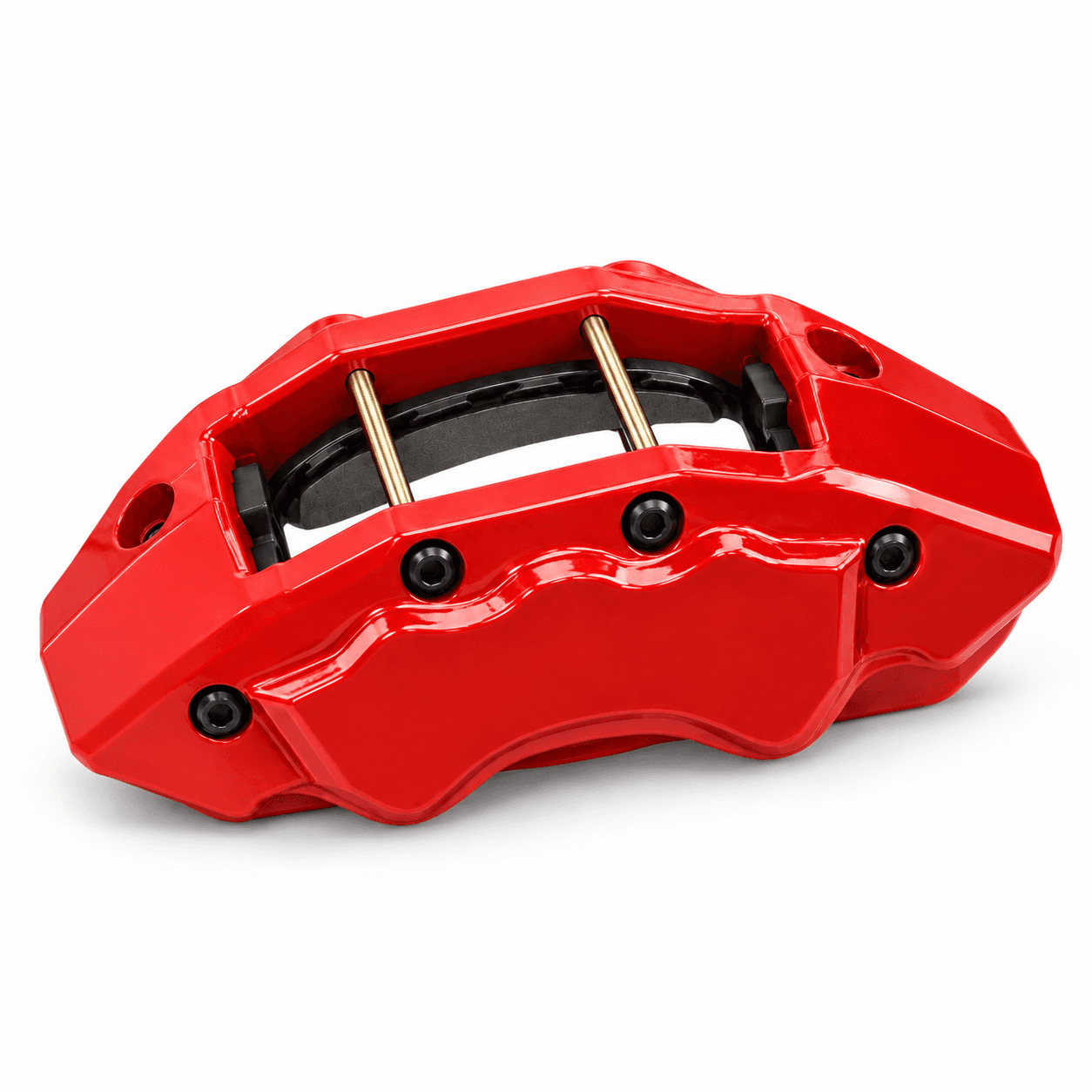
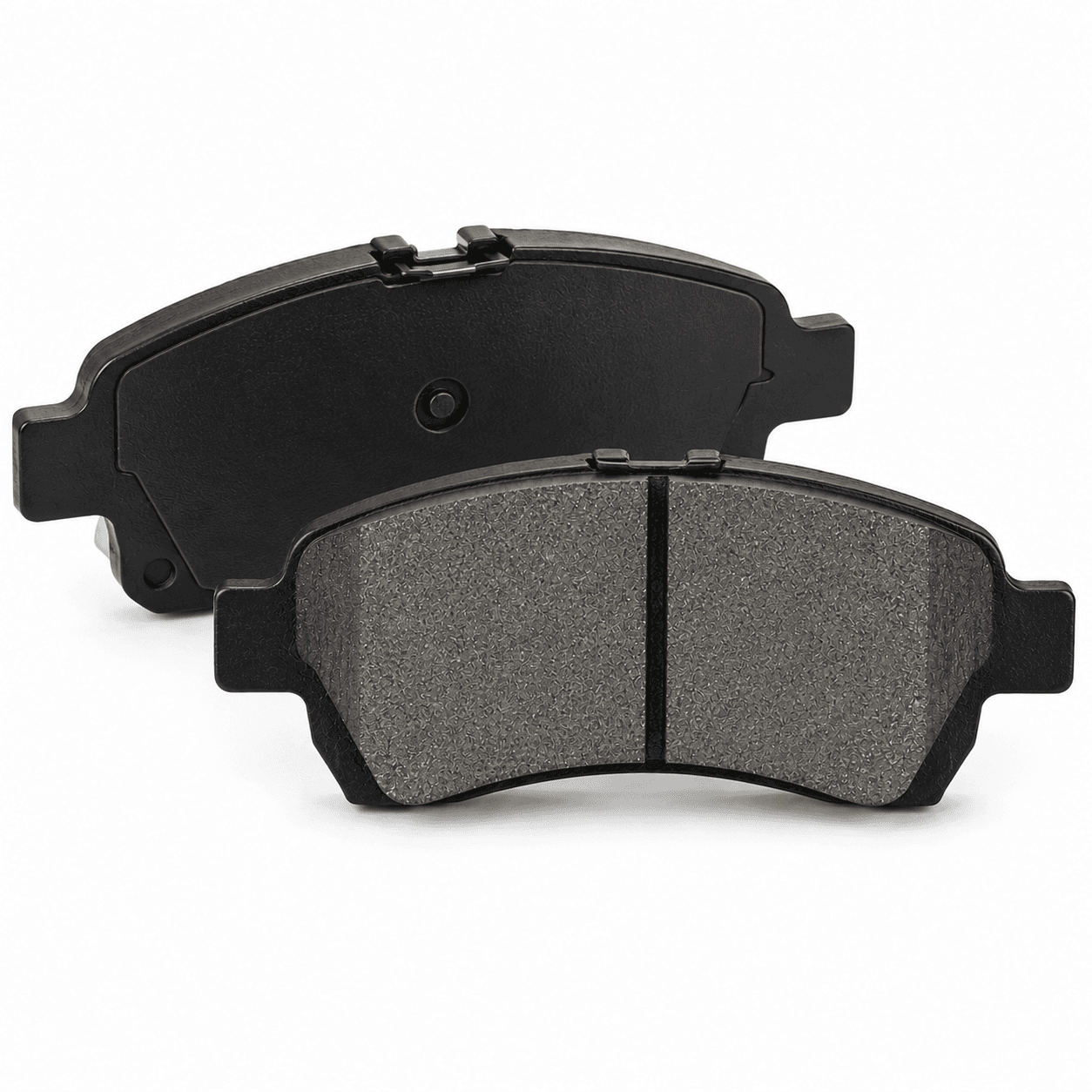
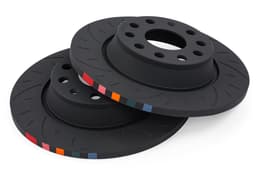
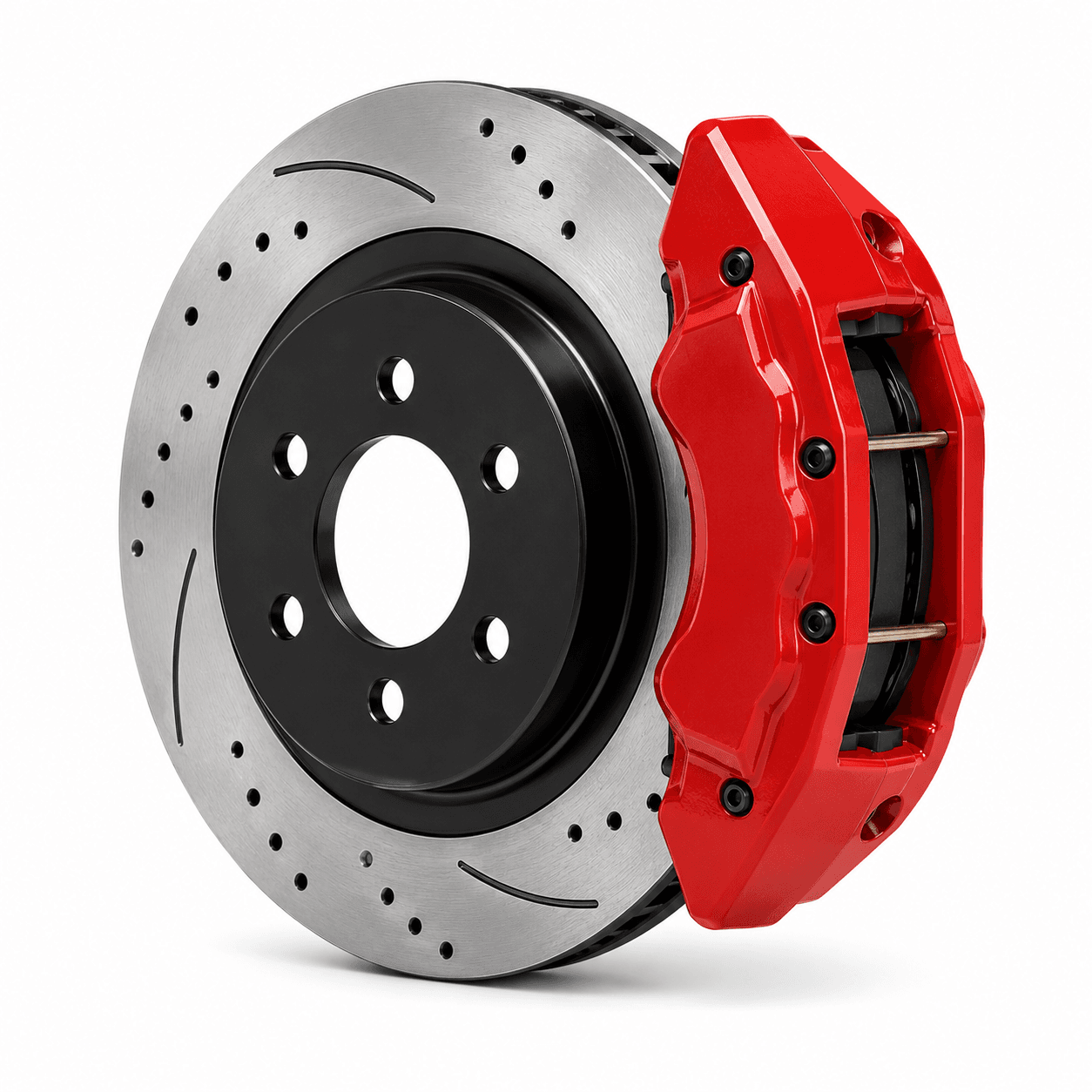
In a disc brake system, the caliper clamps the brake pads against the rotor to slow the vehicle. The rotor does more than provide a surface for the pads to grip; it absorbs and dissipates the enormous amount of heat generated every time you brake. For most street applications, stock rotors handle this job without issue. In performance applications where the brakes are being used more heavily, enthusiasts will typically upgrade to a big brake kit with larger rotors to maintain consistent, fade-free braking. This guide covers the key rotor specifications, design options, and what to verify before purchasing.
What is Brake Fade and Why Does It Matter?
During heavy use, brakes are prone to a concept known as brake fade. Brake fade occurs when the braking system generates more heat than it can dissipate. As rotor and pad temperatures climb beyond their operating limits, friction output drops and with it, braking performance. The result is a pedal that feels normal but produces less stopping force than expected, which is both dangerous and unpredictable.
Street drivers rarely encounter brake fade under normal conditions. Enthusiasts running track days, however, often will notice it within the first few laps on stock brakes. There are two primary levers to combat brake fade to achieve consistent braking response lap after lap. The first lever is to increase the mass of the rotor, allowing it to act as a better heat sink. The second is to improve the cooling of your brake rotors so heat is dissipated faster. Rotor diameter, design, and construction all serve one or both of these goals.