
Buyer's Guide: Brake Pads
5 min read
RideBuilder
Brake Pad Buyer's Guide
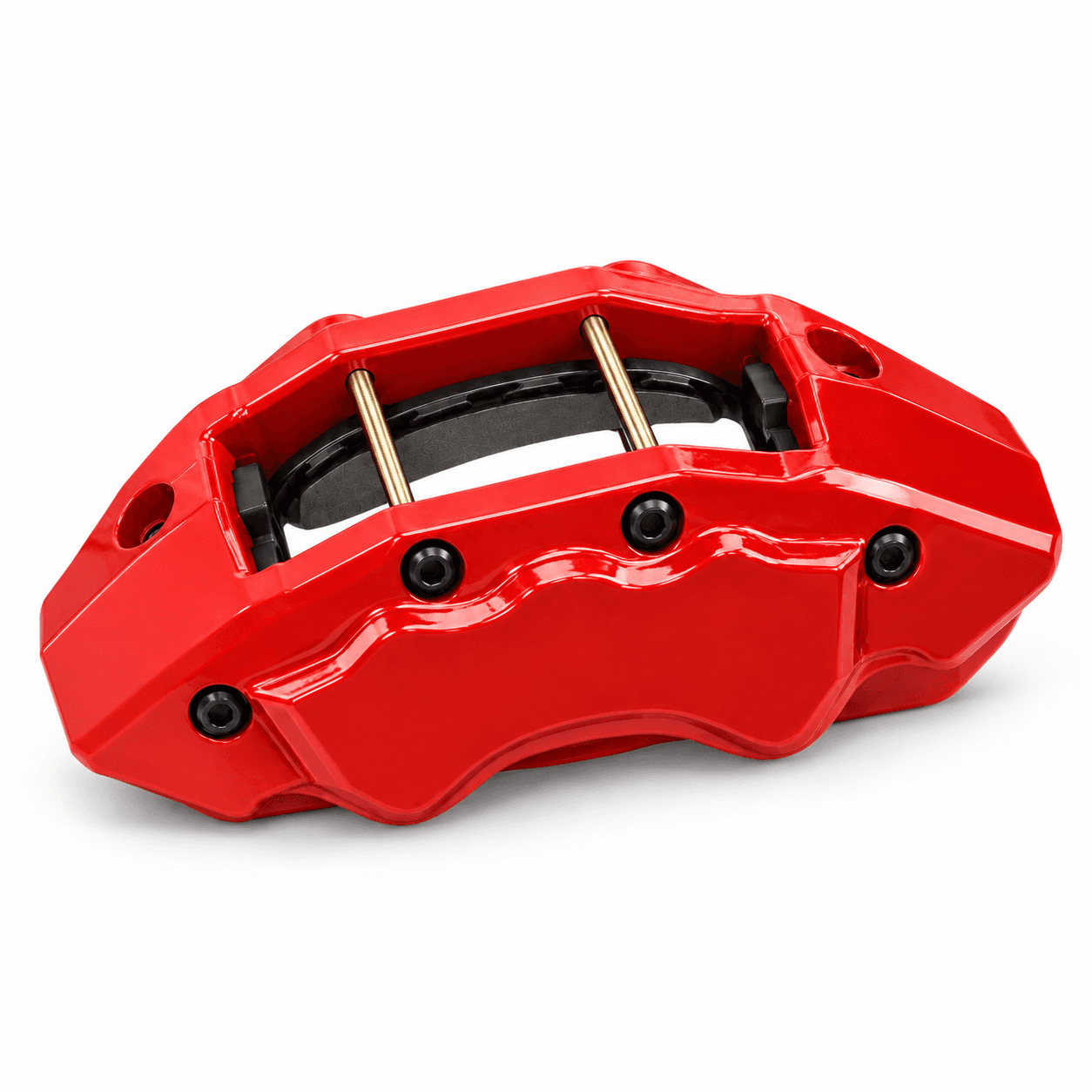
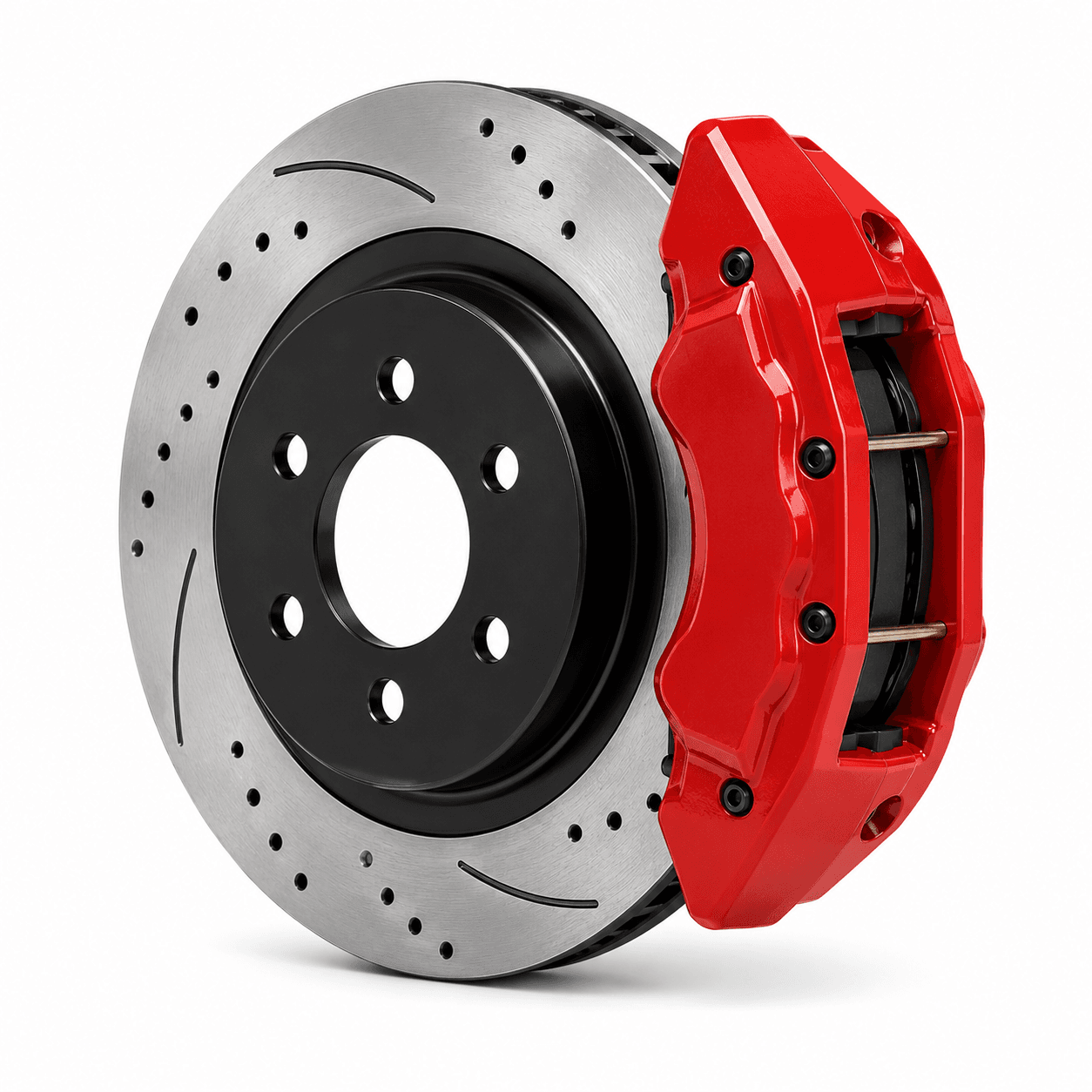
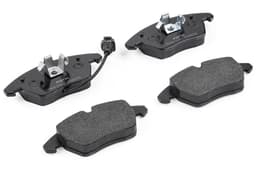
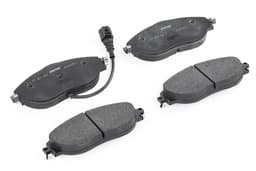
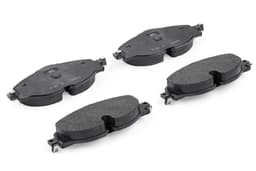
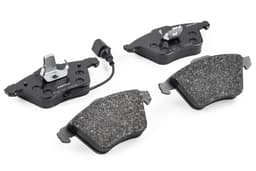
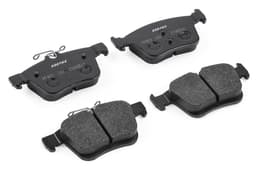
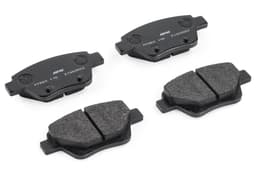
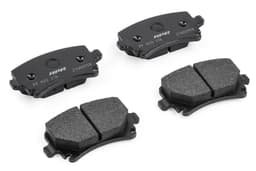
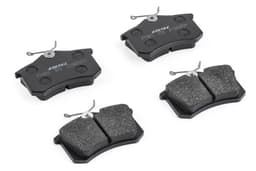
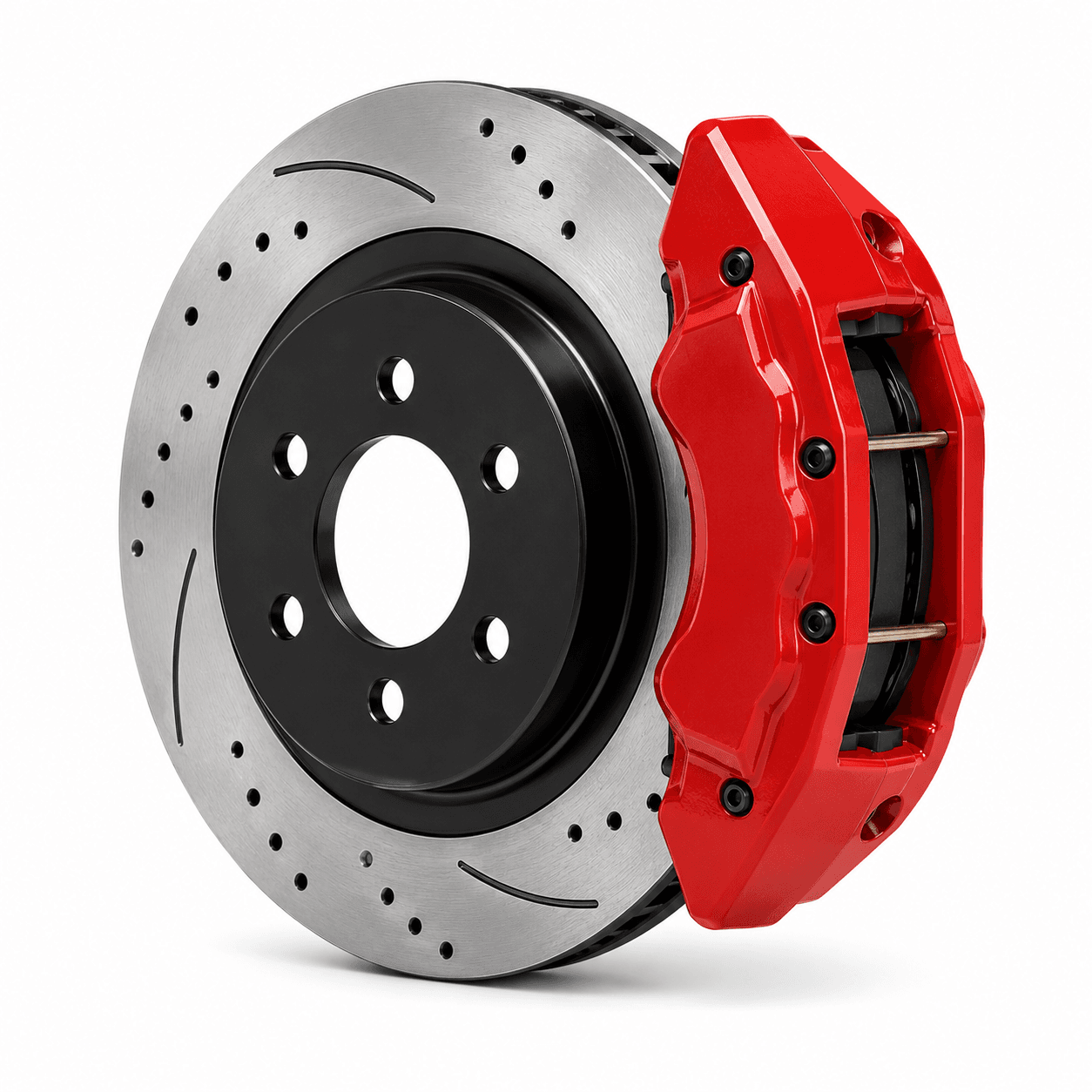
In disc brake systems, brake pads generate the friction necessary to slow and stop a vehicle. They are located at the wheel, sandwiched between the caliper and the rotor. When you press the brake pedal, the caliper squeezes the pads against the spinning rotor, generating friction that slows the wheel down. Each pad consists of a steel backing plate bonded to a layer of friction material. This friction material wears down over time with use and eventually requires replacement. This guide covers when to replace your brake pads, how to choose the right friction material for your application, and what to verify before purchasing.
When to Replace Your Brake Pads
A brake pad's friction material slowly wears down during the course of its lifespan. Most manufacturers recommend replacement when the friction material reaches 3–4mm of remaining friction material. In addition to visual inspection, two warnings signs can help you know when you've reached or passed that point.
-
Squealing: Most modern pads include a small metal wear indicator tab that contacts the rotor and produces a high-pitched squeal when the pad is getting low. This is intentional and helps you know to replace your pads soon.