


Buyer's Guide: Proportioning Valve
6 min read
RideBuilder
Proportioning Valve Buyer's Guide
A proportioning valve (also called a brake bias valve) controls how much brake pressure goes to the rear brakes compared to the front. Its job is to prevent the rear wheels from locking up before the front wheels, allowing you to maintain control even during hard braking. Brake bias describes the balance between the front and rear braking forces. By finely tuning brake bias using a proportioning valve, you can optimize your vehicle's braking. This guide walks you through everything you need to know about proportioning valves including why to use a proportion valve, how they work, and the theory behind them.
Why Use a Proportioning Valve?
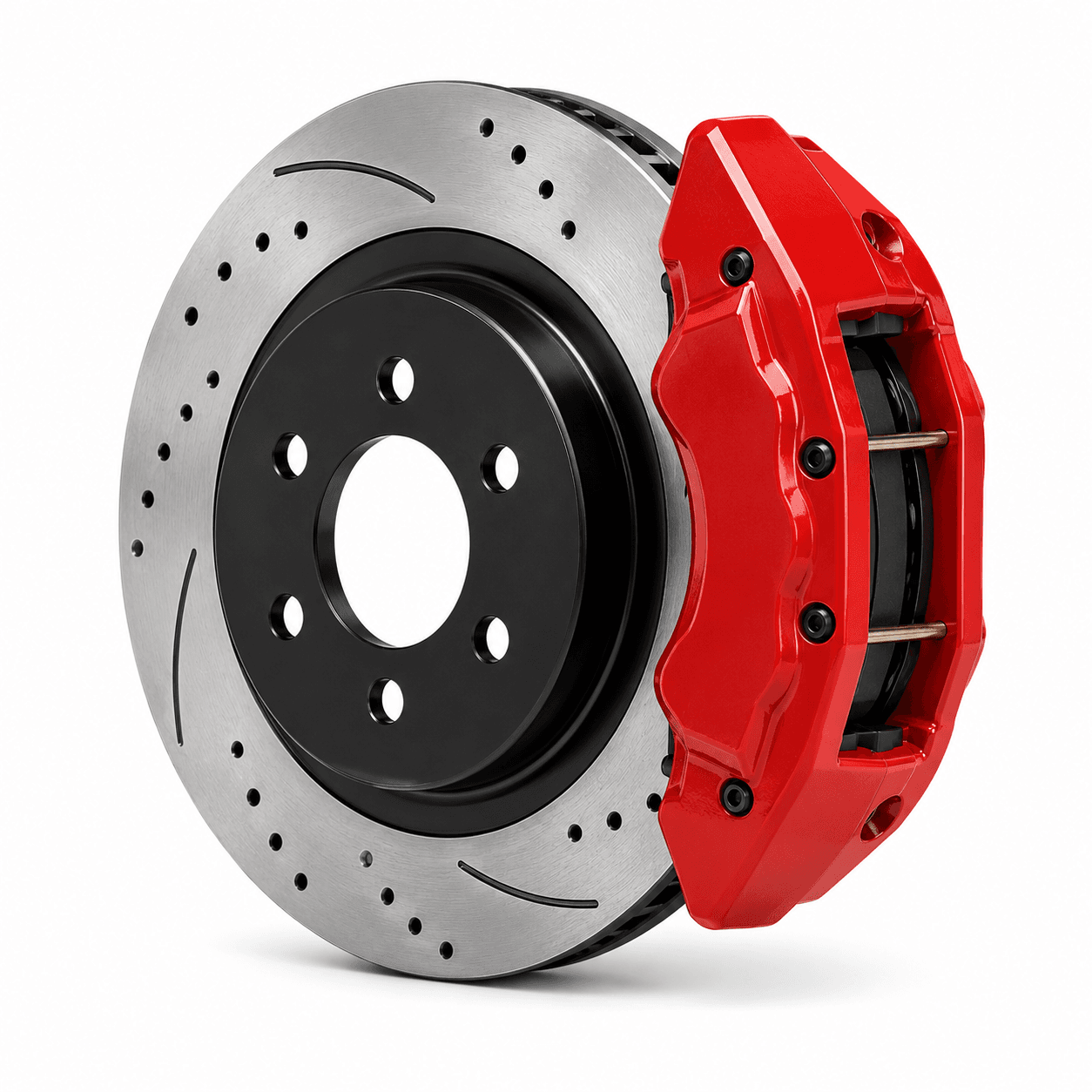
When braking hard, you ALWAYS want your front brakes lock up before your rear brakes. If your front brakes lock up first, you skid but generally travel straight. If your rear brakes lock up first, your vehicle becomes uncontrollable and you start spinning. To avoid this, vehicles can use a proportioning valve to deliver less braking force at the rear wheels so they do not lock up first. This ensures that you remain in control of your vehicle even during hard braking. Modern vehicles use the anti-lock braking system (ABS), or another related braking system, to prevent rear wheel lock up but proportioning valves remain very common on older cars and in performance applications.