
Buyer's Guide: Sway Bars
6 min read
RideBuilder
Sway Bar Buyer's Guide
When it comes to upgrading your suspension, few modifications are as simple or as impactful as a sway bar. Whether you're a daily driver looking for sharper handling or a performance enthusiast chasing lap times, the right sway bar can make your car noticeably more stable and responsive in corners. This guide covers how sway bars work, the specifications that matter, and how to choose the right setup for your application.
What is a Sway Bar?
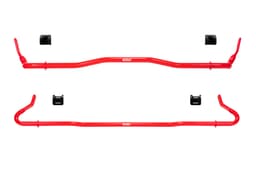
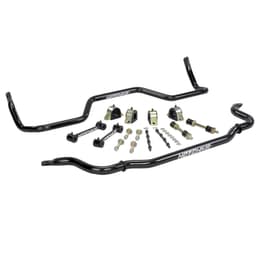
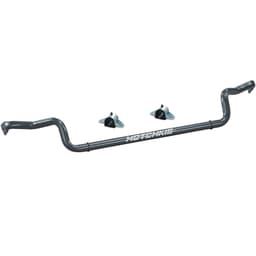
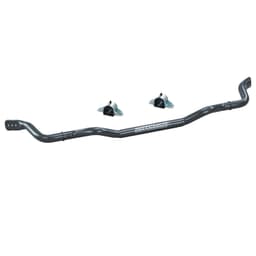
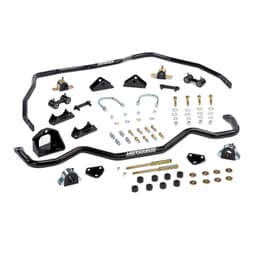
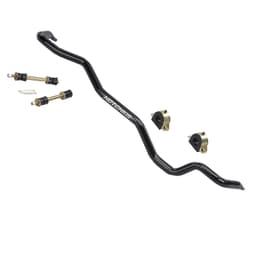
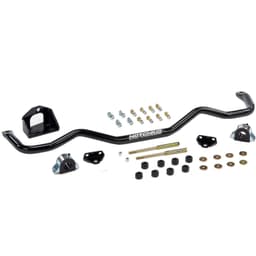
A sway bar, also called an anti-roll bar, is a torsion spring that connects the left and right control arms of your suspension. Its job is to resist body roll during cornering, keeping the car more level and planted. Most vehicles are equipped with at least a front sway bar, while many performance-oriented vehicles also include a rear sway bar. Stock sway bars are usually tuned for comfort rather than performance, so aftermarket upgrades are popular among enthusiasts. Performance sway bars are thicker and therefore stiffer compared to stock sway bars.

How Sway Bars Work
Most of the time, when you're driving straight down a smooth street, your sway bar isn't doing much. When both wheels move together, hitting a speed bump at the same time, for example, the bar simply pivots and doesn't affect handling.