
Buyer's Guide: Control Arms
5 min read
RideBuilder
Control Arm Buyer's Guide
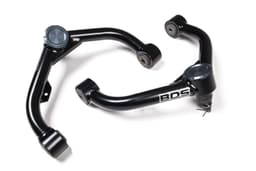
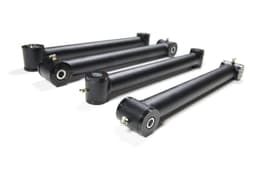
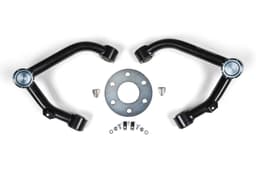
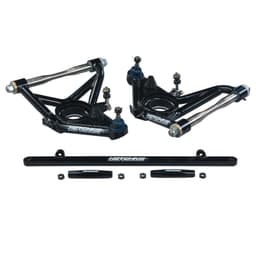
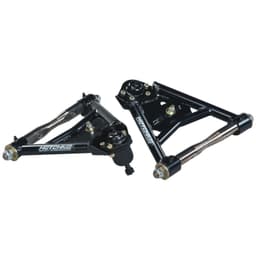
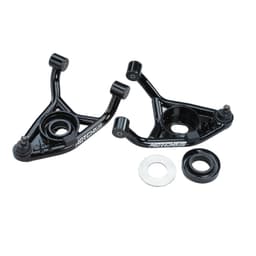
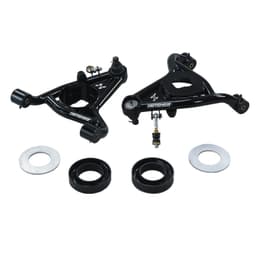
Control arms, also known as A-arms, are fundamental suspension components that connect the steering knuckle to the chassis. They allow for the wheel to move up and down, while supporting the vehicle's weight and maintaining proper wheel alignment. Depending on your suspension design, your vehicle may use both upper and lower control arms, or only a lower control arm, as in MacPherson strut suspensions.
Aftermarket control arms allow enthusiasts to correct suspension geometry, increase material strength, and improve suspension precision. This guide covers everything you need to know to confidently choose the right control arms for your build.
Why Upgrade Your Control Arms?
A control arm's geometry and bushing material affects your vehicle's handling, making them a worthwhile upgrade for anyone looking to dial in suspension performance. Common reasons you would replace or upgrade your control arms include:
-
Geometry Correction: Lowering a vehicle shifts the control arms outside their ideal operating range. Aftermarket arms let you correct this and provide control over caster and camber to restore proper handling.
-
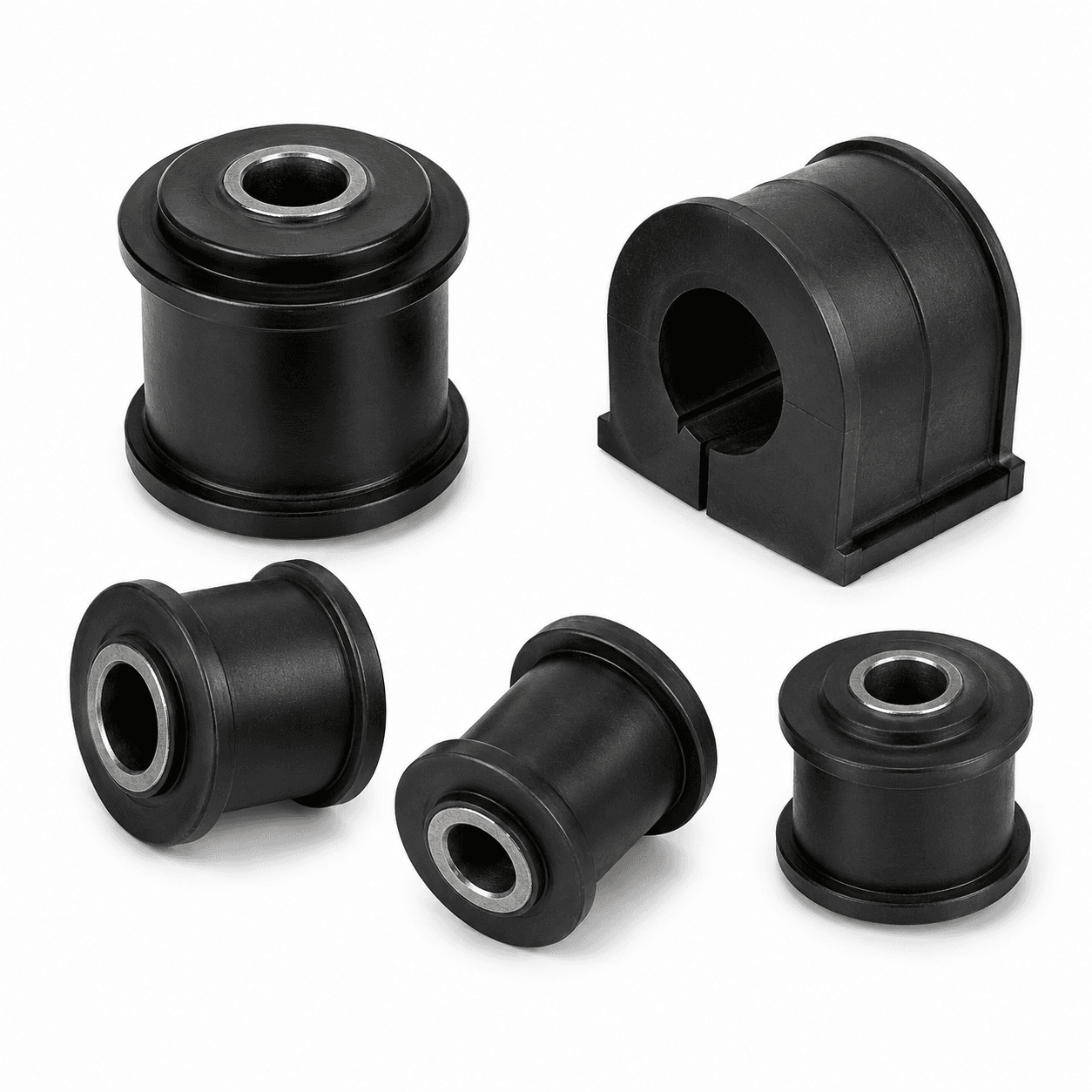
Suspension Precision: Upgraded arms often feature stiffer bushings that reduce deflection (unwanted movement) under heavy cornering loads, improving steering precision.