

Buyer's Guide: Pistons
7 min read
RideBuilder
Piston Buyer's Guide
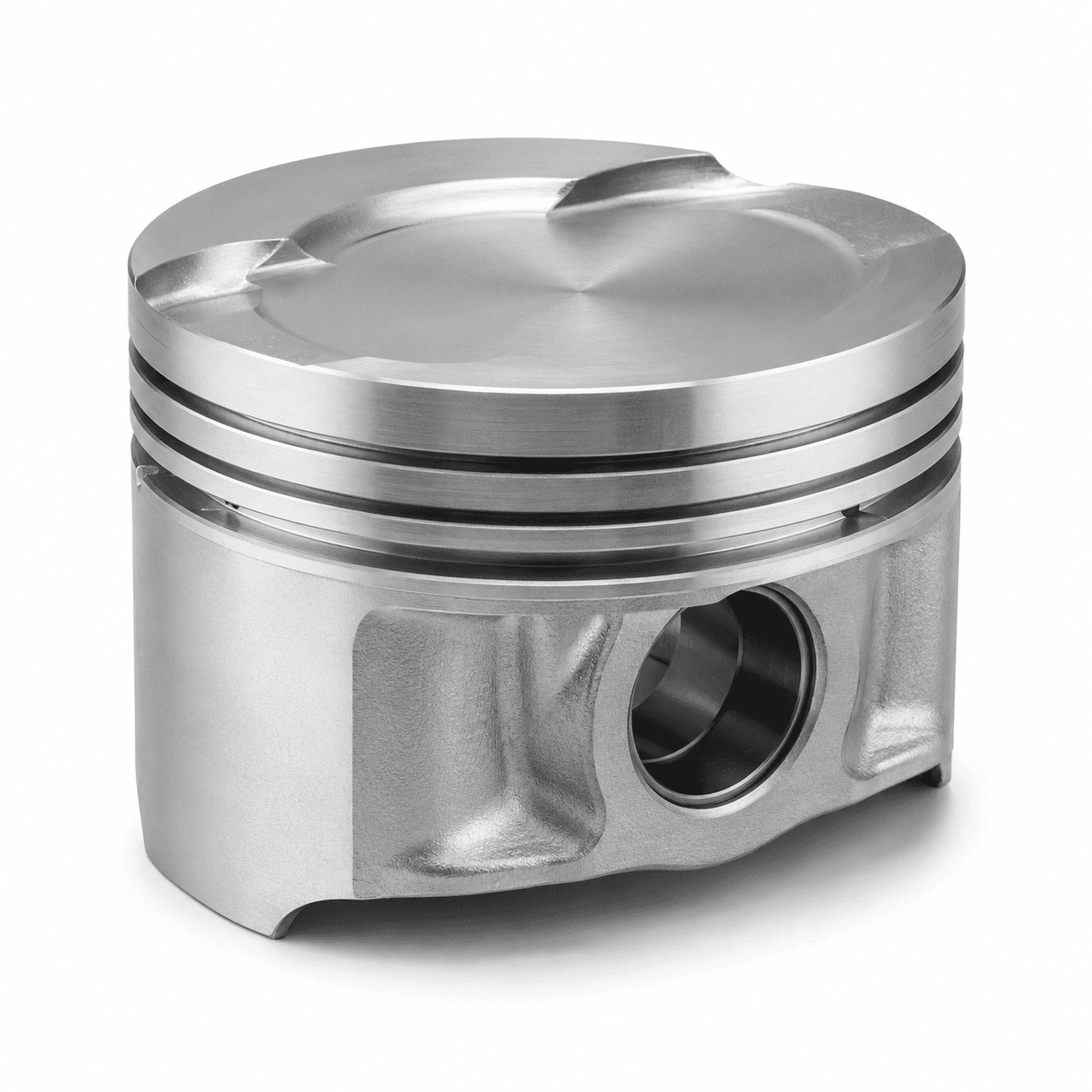
Pistons move up and down inside the engine cylinder, transferring the power from combustion to your crankshaft. They must endure the extreme temperatures and pressures of the combustion chamber, repeated thousands of times per minute. For builds adding significant power, upgrading to stronger aftermarket pistons is essential to prevent catastrophic engine failure. Understanding piston materials, dimensions, and design options will help you choose the right ones for your build. This guide walks you through all the essentials so you can get straight to building.
How Pistons Work

The piston is part of the rotating assembly that converts the energy from combustion into rotational energy. During the combustion stroke, the air-fuel mixture ignites above the piston, and the resulting pressure drives the piston down the cylinder. This linear motion is transferred through the connecting rod to the crankshaft, where it becomes the rotational energy that ultimately turns the wheels.