
Buyer's Guide: Intercooler Pipes
4 min read
RideBuilder
Intercooler Pipes Buyer's Guide
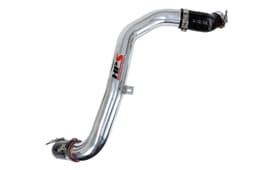
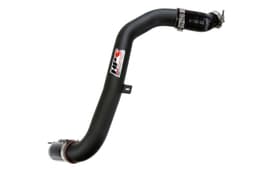
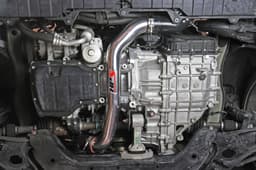
A good intercooler pipe setup provides smooth, unrestricted air flow to and from your intercooler. The piping comes in two parts: boost pipes route charged air from the turbocharger to the intercooler, while charge pipes route the cooled air from the intercooler to the throttle body. For simplicity, this guide will refer to boost pipes and charge pipes collectively as intercooler pipes. Whether you're designing a custom setup or buying a premade kit, this guide covers how to choose the right material, diameter, and routing for your build. For most enthusiasts, a kit made specifically for your year, make, model, and engine variant is the easiest way to ensure proper fitment.
Pipe Material
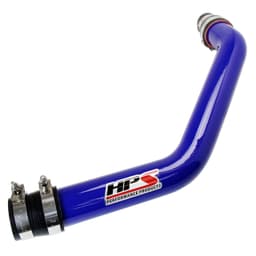
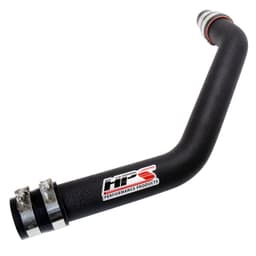
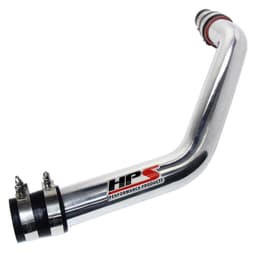
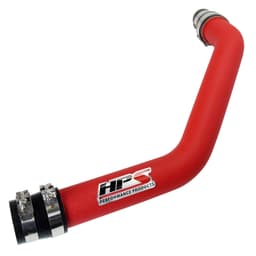
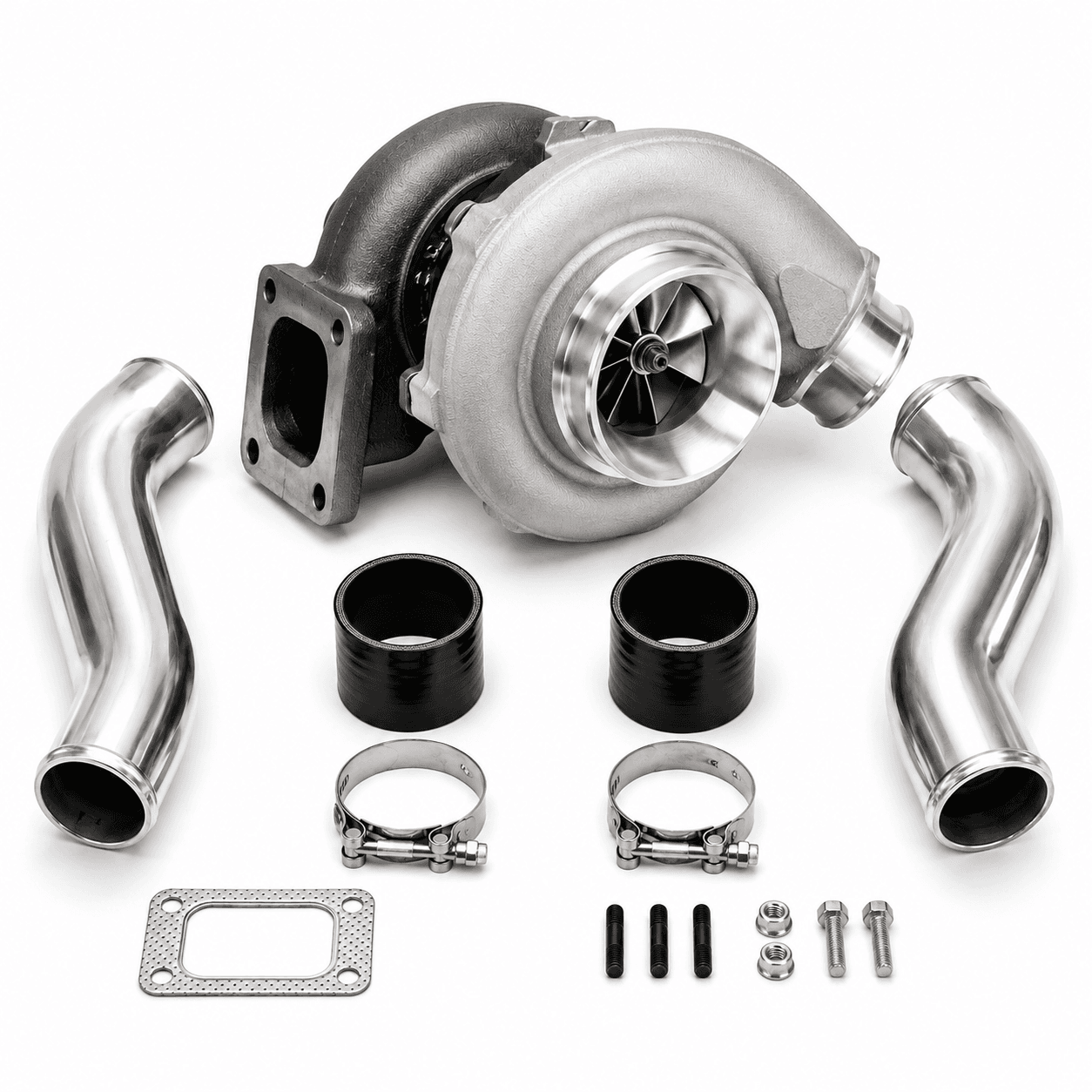
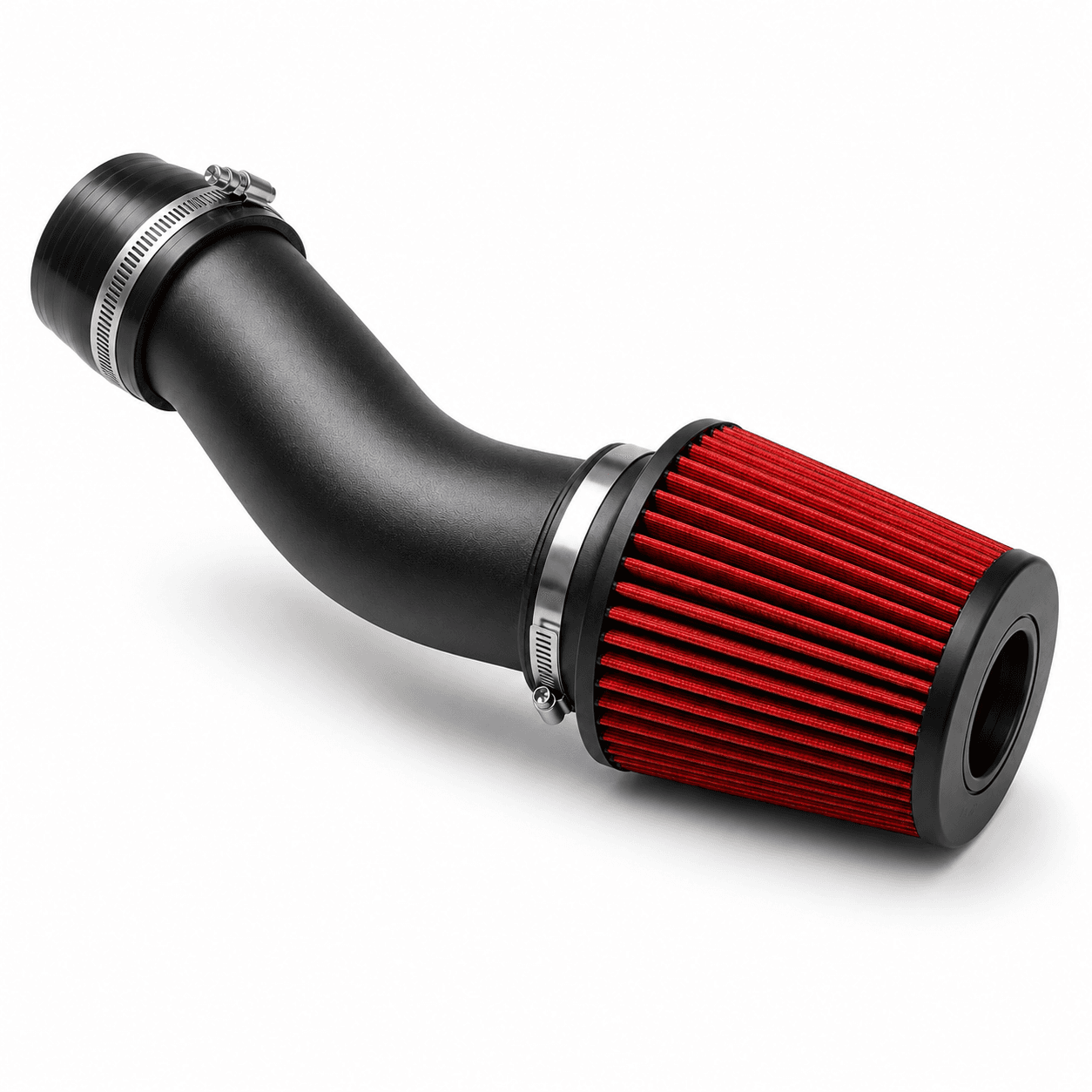
Intercooler pipes are typically made out of either mandrel-bent aluminum or silicone. For most applications, mandrel-bent aluminum is preferred due to its strength, durability, and ability to tolerate high boost pressures. To connect the pieces of aluminum, silicone couplers are used. Alternatively, using silicone instead of aluminum for your main piping provides the benefit of flexibility, making installation easier and reducing noise.
Whichever you choose, secure the couplers with T-bolt clamps or worm-gear clamps. T-bolt clamps are preferred because they provide better clamping pressure and are far less likely to allow a coupler to blow off under boost.