
Buyer's Guide: Intake Piping
4 min read
RideBuilder
Intake Piping Buyer's Guide
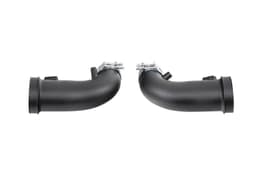
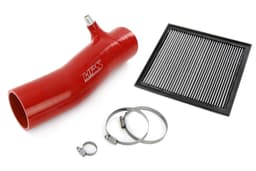
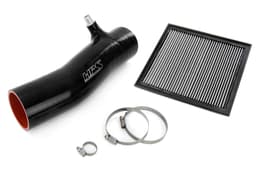
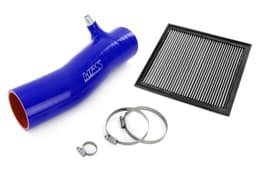
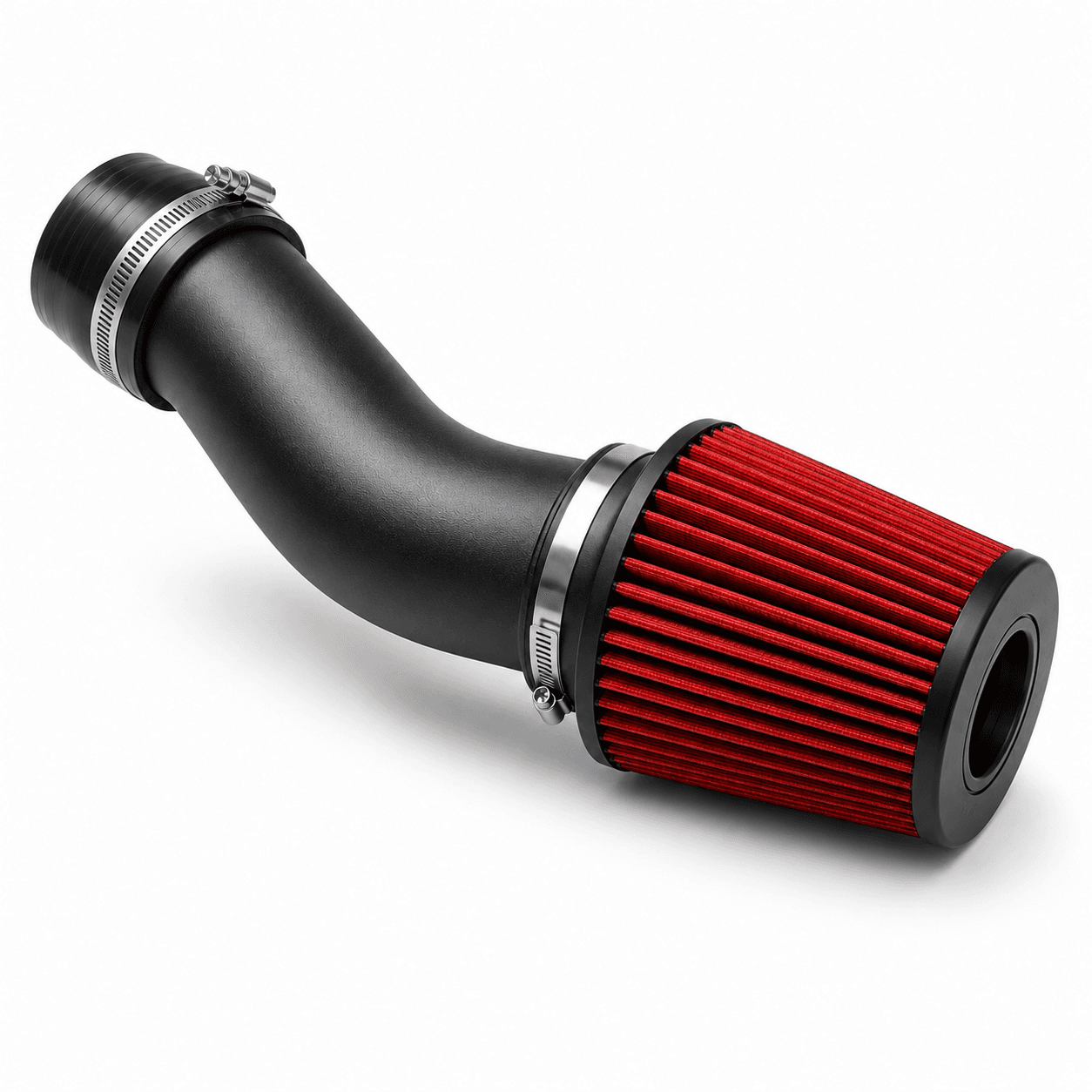
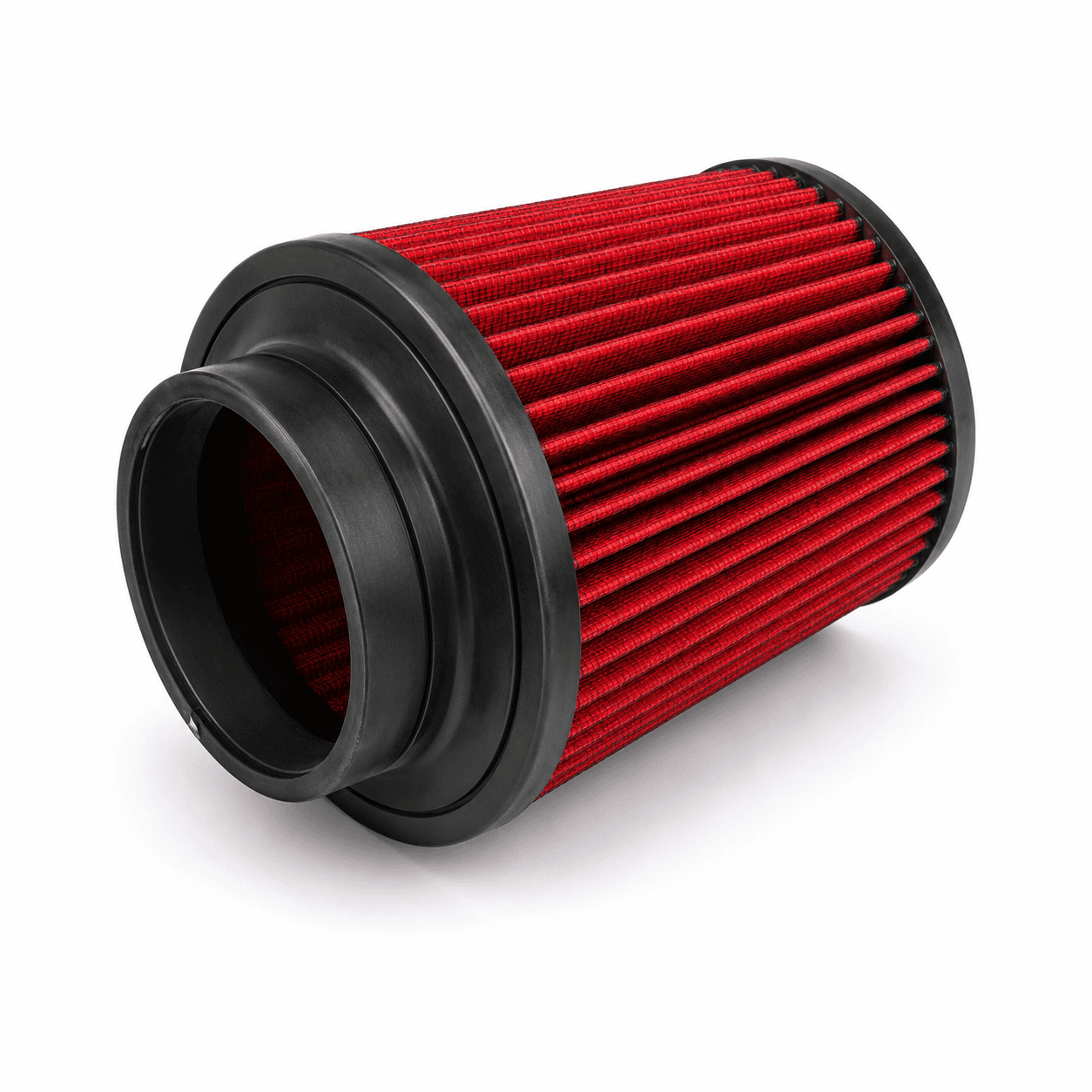
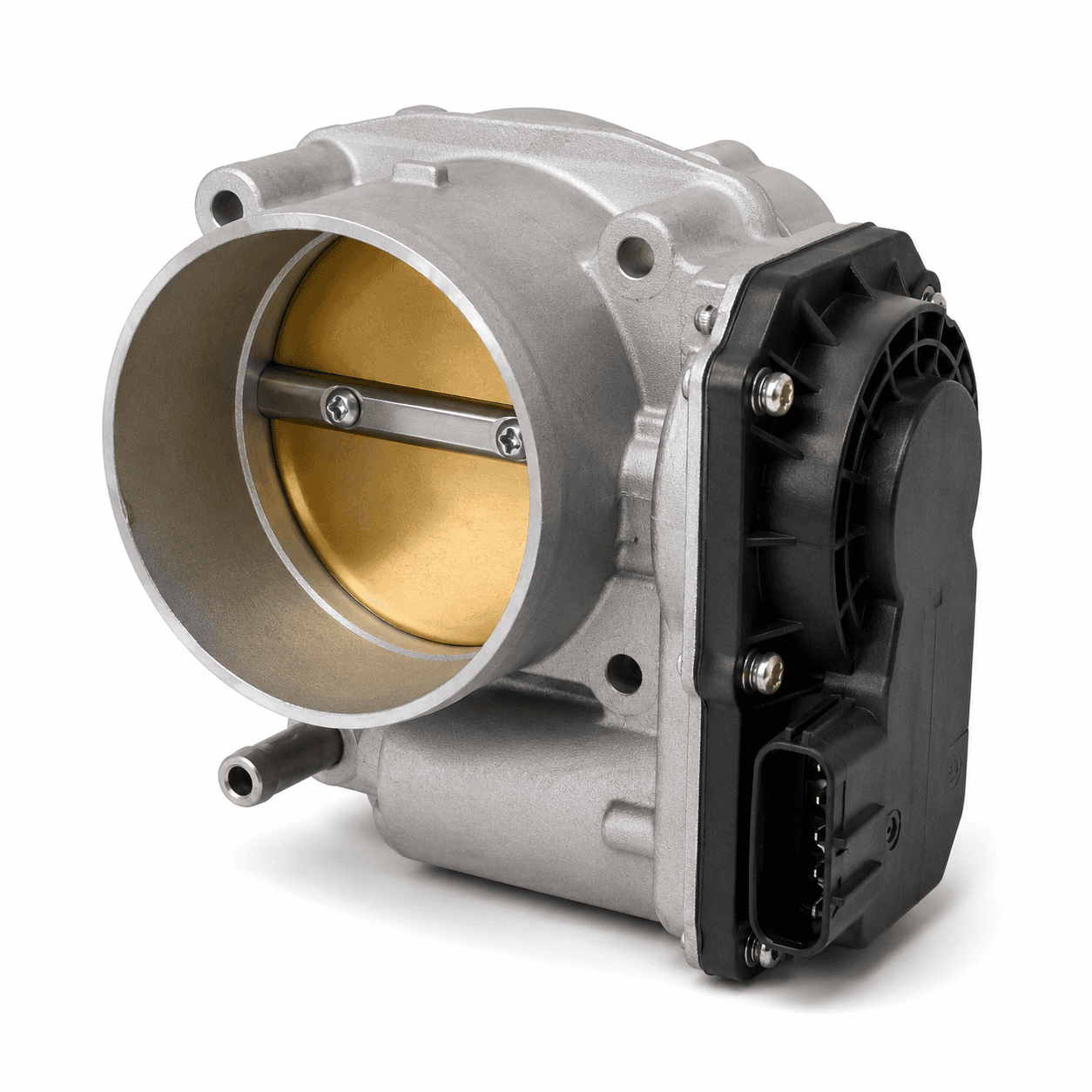
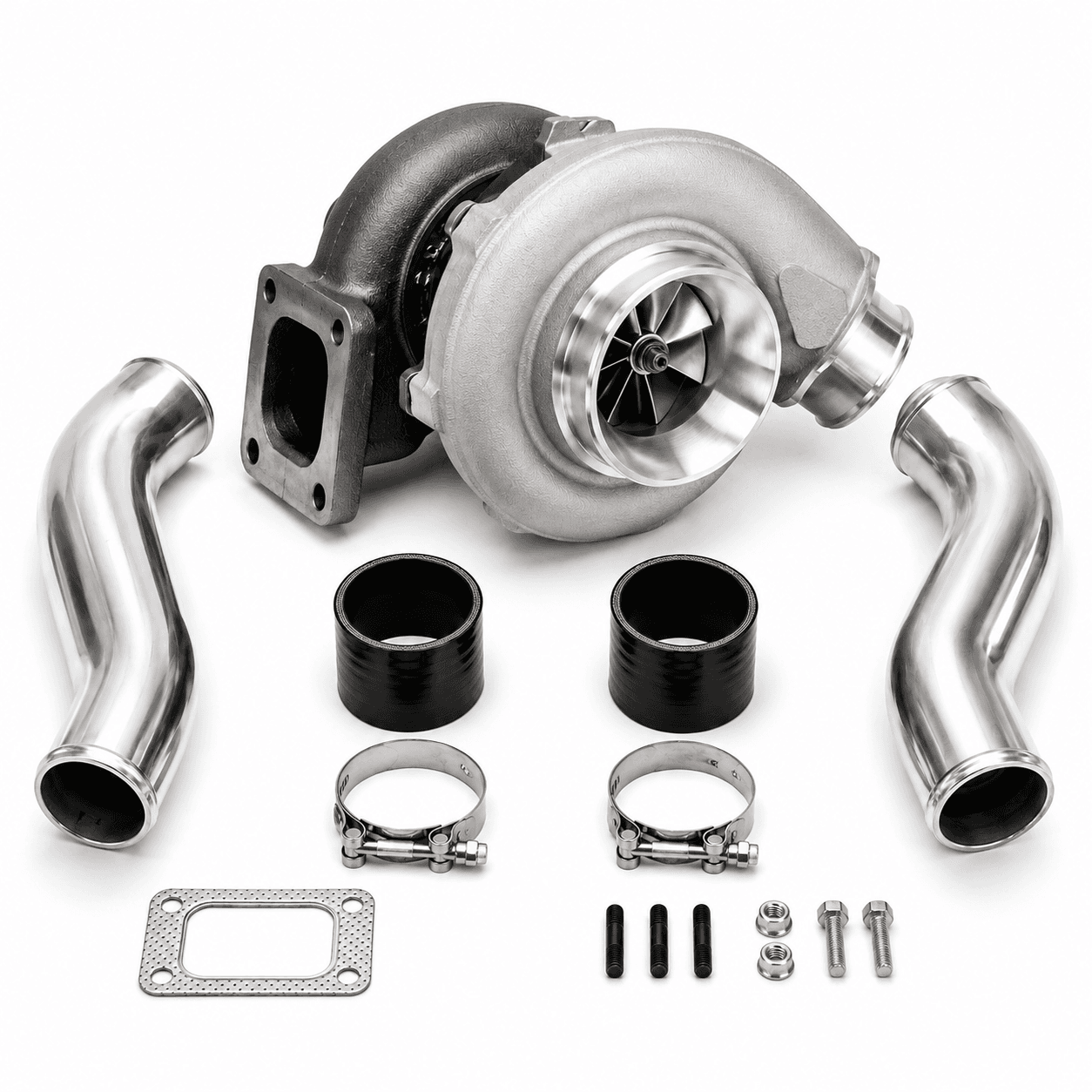
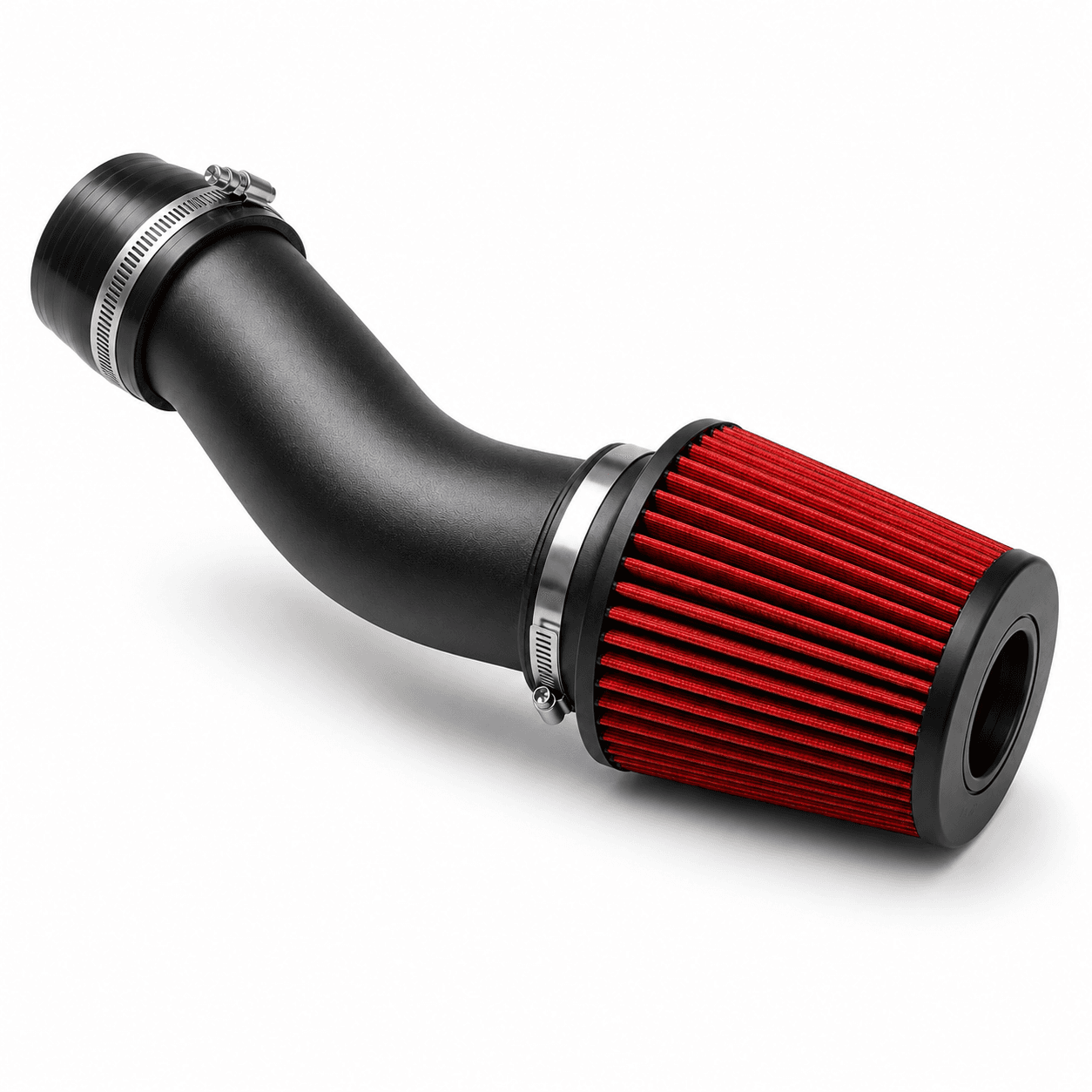
Intake piping connects your air filter to your throttle body, routing air through the engine bay to the engine. Stock intake piping can be restrictive or not have the flow capacity to support your horsepower goals. Aftermarket intake pipes prioritize smooth, unrestricted airflow with customizable diameters matched to your power goals. While often overlooked, the right aftermarket intake piping will help support your performance goals. This guide covers what you need to know to choose the right intake piping for your build.
How Intake Piping Affects Performance
The goal of intake piping is to deliver the maximum volume of air to the throttle body as smoothly and directly as possible. Several characteristics of the piping affect how well it accomplishes this:
-
Diameter: Larger diameter piping supports higher airflow volume, reducing restriction at high RPM. However, oversizing the piping reduces air velocity which can hurt throttle response and low-end torque. Match piping diameter to your throttle body inlet and power level. Going slightly larger than stock is appropriate for most performance builds, but significantly oversizing is counterproductive.
-
Every bend in the intake path creates turbulence and increases restriction. Smoother, more gradual bends maintain airflow better than sharp angles. When routing custom piping, minimize the number of bends and maximize their bend radius wherever possible.