
Buyer's Guide: Hub-Centric Rings
4 min read
RideBuilder
Hub-Centric Ring Buyer's Guide
Hub-centric rings center aftermarket wheels onto the wheel hub, preventing vibration. They act as an adapter, filling the gap between the wheel's center bore and the vehicle's hub. Hub-centric rings are defined by their inner diameter (ID), outer diameter (OD), and material. This guide walks you through everything you need to know to purchase the right set.
Why Use Hub-Centric Rings?
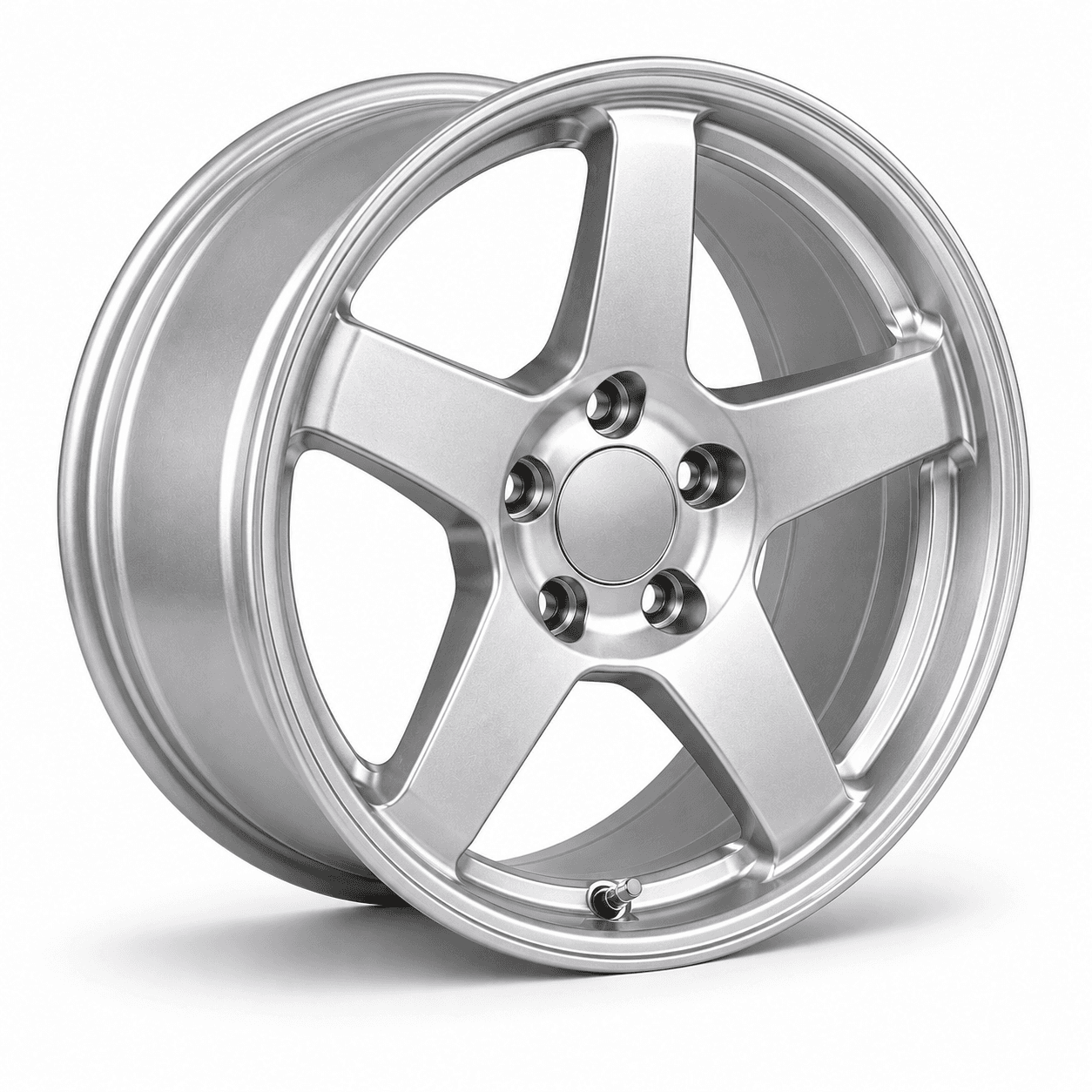
Aftermarket wheels are manufactured with an oversized center bore to fit a wide range of vehicles, so hub-centric rings are typically required any time you install a non-OEM wheel. For example, the most common center bore size for aftermarket wheels is 73.1 mm. If your car has a wheel hub measuring 56.1 mm, you'd need a hub-centric ring with an ID of 56.1 mm and an OD of 73.1 mm to properly fill that gap and achieve hub-centric fitment.
Without hub-centric fitment, the wheels are held in place by the lug nuts rather than the hub - known as lug-centric fitment. This can cause vibration as highway speeds. Over time, lug-centric fitment also places excess stress on the lug nuts and studs, which can cause them to loosen over time or even snap.
How to Find Your Measurements
The ID of your hub-centric rings must match your vehicle's hub bore. Every make and model has a specific measurement, so look up your exact vehicle's specification. You can find this information online or in your vehicle's service manual.