

Buyer's Guide: Fuses
6 min read
RideBuilder
Fuse Buyer's Guide
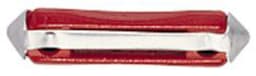
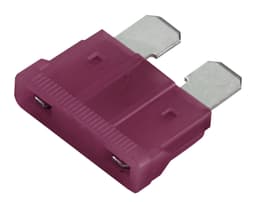
A fuse is a small electrical component designed to protect your vehicle's electrical system. It's job is simple. If electrical current exceeds a safe level, the fuse breaks the circuit before the wiring, connectors, or components can be damaged or start a fire. Once a fuse blows, it must be replaced. Refer to your fuse box cover or owner's manual to identify the exact fuse type and amperage needed. This guide covers how fuses work, the different types you'll encounter, and how to choose the right fuse for your application.
How Fuses Work
Inside every fuse is a thin metal wire that is designed to melt at a specific current level. Under normal conditions, current passes through this metal without issue. If current spikes due to a short circuit, failing component, or circuit overload, the metal melts and breaks the circuit, stopping current flow in a fraction of a second.
Without a fuse, that excess current would cause overheating, potentially melting wiring and components, or starting a fire. The fuse interrupts this before any damage occurs, sacrificing itself to contain the failure to a five-cent part rather than an expensive component.